
When people hear "mindfulness meditation" in the context of recovery, they often picture sitting cross-legged on a cushion, trying to think about nothing. That image is wrong — and it keeps people from using one of the most scientifically validated tools available for managing cravings, reducing relapse risk, and rebuilding emotional regulation after substance use.
This guide strips away the mysticism and gives you the practical, evidence-based basics — techniques you can start in 5 minutes, today.
What the Research Says
Mindfulness-Based Relapse Prevention (MBRP) is a structured program developed at the University of Washington, specifically designed for people in addiction recovery. Research results are striking:
- A 2014 study in JAMA Psychiatry found that MBRP reduced relapse rates by 54% compared to standard aftercare over a 12-month period
- Participants showed significant decreases in both craving intensity and the number of heavy drinking days
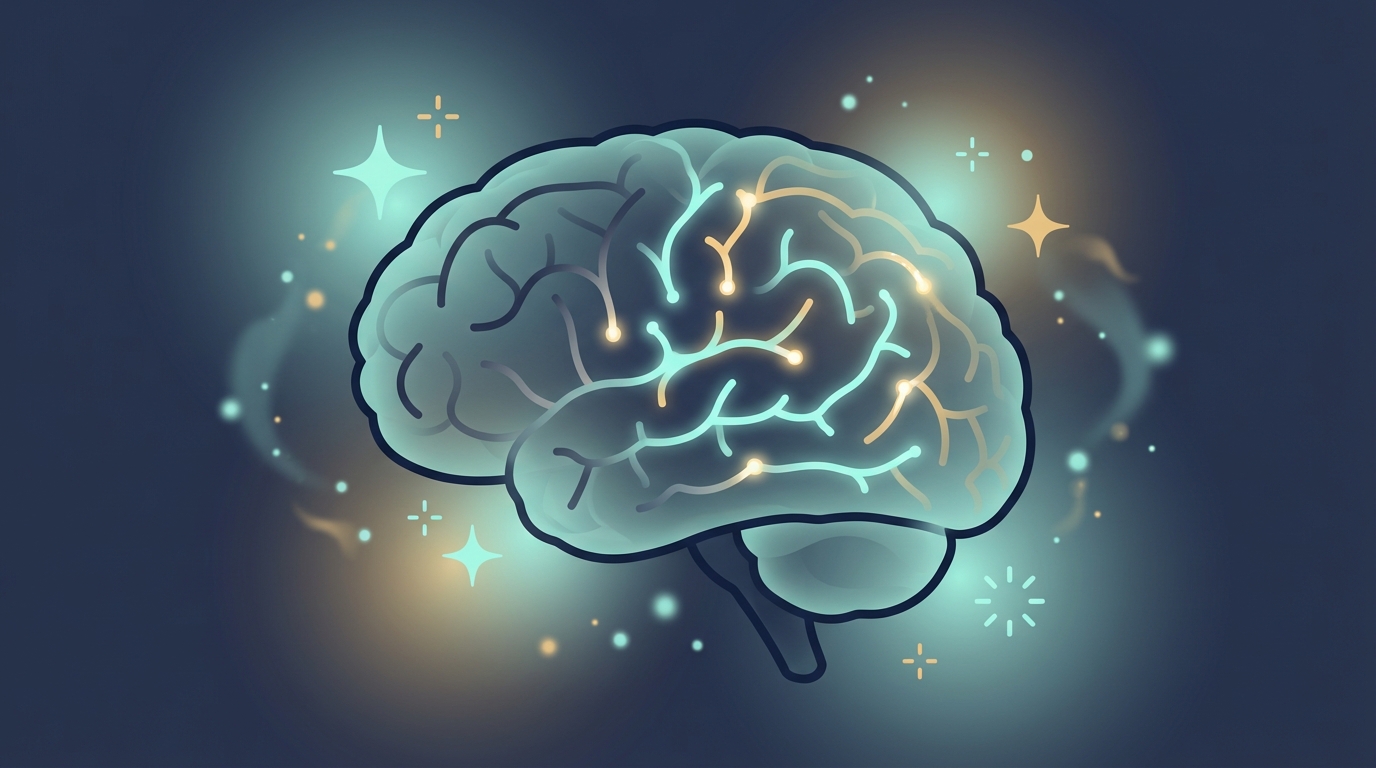
- Brain imaging studies show that regular meditation increases grey matter density in the prefrontal cortex (decision-making) and reduces activity in the amygdala (fear/reactivity)
- Even 8 weeks of regular practice produces measurable changes in brain structure
The mechanism is straightforward: mindfulness builds the gap between stimulus and response. A craving arises — instead of automatically acting on it, you observe it, let it pass, and choose your response. With practice, this gap widens.
Technique 1: The SOBER Breathing Space
This is the flagship technique from MBRP. It takes 3 minutes and can be done anywhere — at your desk, in a bathroom stall, in a parking lot before walking into a triggering situation.
- S — Stop. Pause whatever you're doing. Just stop.
- O — Observe. What's happening right now? What are you feeling in your body? What thoughts are present? Don't judge — just notice.
- B — Breathe. Take three slow, deliberate breaths. In through the nose for 4 counts, out through the mouth for 6 counts.
- E — Expand. Widen your awareness from the breath to your whole body. Feel your feet on the floor, your hands, the air on your skin.
- R — Respond. Now — with this expanded awareness — choose how to respond to the situation, rather than reacting automatically.
When to Use SOBER Breathing
Use this technique at the first sign of a craving, before entering triggering environments, during moments of stress, or anytime you notice yourself running on autopilot. The beauty of it is that no one around you even knows you're doing it.
Technique 2: Urge Surfing
Developed by Dr. Alan Marlatt, a pioneer of relapse prevention, urge surfing reframes how you relate to cravings. Instead of fighting them (which amplifies them) or giving in (which reinforces them), you ride them like a wave.
Here's how:
- When a craving hits, sit comfortably and close your eyes
- Notice where the craving lives in your body. Is it tightness in your chest? Heat in your throat? Tension in your hands?
- Focus on that physical sensation without trying to change it
- Observe it as it intensifies, peaks, and then — inevitably — subsides
- Cravings almost always peak within 15–20 minutes and then decrease
Every craving you surf without acting on weakens the habit loop. Your brain learns that the craving doesn't need to be answered — it can simply be experienced and released. This directly relates to understanding your triggers — when you know what triggers a craving and can surf through it, the trigger loses its power.
Technique 3: Body Scan Meditation
Substance use often disconnects people from their bodies. Pain, tension, and emotional distress get numbed instead of felt. The body scan reconnects you to physical sensations — rebuilding the interoceptive awareness that addiction erodes.
- Lie down or sit comfortably. Close your eyes.
- Start at the top of your head. Notice any sensations — tingling, tension, warmth, nothing.
- Slowly move your attention down: forehead, eyes, jaw, neck, shoulders, arms, hands, chest, stomach, hips, legs, feet.
- Spend about 20–30 seconds on each area.
- If your mind wanders (it will), gently return to whatever body part you were on.
A full body scan takes 10–15 minutes and is especially effective before bed — it activates the parasympathetic nervous system and improves sleep quality, which is often disrupted in early recovery.
Technique 4: Noting Practice
This is the simplest technique and the one most useful during daily life. It involves silently labeling your experience throughout the day:
- Feeling anxious? Internally say: "anxiety"
- Craving a drink? "craving"
- Mind racing about work? "thinking"
- Feeling a physical sensation? "tightness" or "heat"
Noting creates distance between you and your experience. You are not the craving — you are the person observing the craving. This subtle shift is profoundly powerful. Log your noting observations in your daily journal habit for even deeper insight.
Building Your Practice
Consistency beats duration. Here is a realistic progression:
- Week 1–2: 5 minutes per day. Use a guided meditation app (Insight Timer has free recovery-specific meditations)
- Week 3–4: 10 minutes per day. Add the SOBER Breathing Space whenever cravings arise
- Month 2: 15 minutes per day. Alternate between body scan and urge surfing
- Month 3+: 15–20 minutes. Begin integrating noting practice into daily life
Remember: habit formation takes time. Missing a day doesn't reset your progress. Just pick it up again tomorrow.
Common Objections (and Why They're Wrong)
"I can't sit still." You don't need to. Walking meditation, stretch-based mindfulness, and noting practice are all done while moving.
"My mind won't stop racing." That's the whole point. Noticing your racing mind IS the practice. You're not failing — you're training the noticing muscle.
"It doesn't work for me." Reframe this: are you expecting instant relief? Mindfulness isn't a painkiller. It's physical therapy for the brain. Results compound over weeks, not minutes.
"It feels too spiritual/woo-woo." MBRP is a clinical protocol developed by researchers, published in psychiatry journals, and used in hospitals. It is as "woo-woo" as physical therapy.
Pair Mindfulness with Daily Tracking
Log your meditation sessions alongside substance use data in Remedy. See how practice frequency correlates with craving reduction over time.


The Bottom Line
Mindfulness meditation is not a replacement for therapy, support groups, or medical treatment. It is one powerful tool in a larger recovery toolkit. What makes it unique is that it's free, portable, always available, and backed by rigorous science showing it physically changes the brain structures involved in decision-making and impulse control.
You don't need to become a monk. You need 5 minutes, a quiet spot, and the willingness to try. The craving will pass. The practice stays.