Guides
Best Alcohol Tracking Apps in 2026
Compare alcohol tracking apps for drink logging, units, sober days, coaching, and community. Includes Remedy, Reframe, Sunnyside, Less, DrinkControl, and I Am Sober.


Practical guides to substance tracking, app comparisons, daily habits, and recovery support from the Remedy team.
Compare alcohol tracking apps for drink logging, units, sober days, coaching, and community. Includes Remedy, Reframe, Sunnyside, Less, DrinkControl, and I Am Sober.
Compare daily substance logs, sobriety counters and habit trackers by the records and support they provide.
Compare Remedy’s daily substance records with I Am Sober’s pledges, milestones and community. Check privacy and plan details before choosing.
Compare a daily multi-substance record with Reframe’s alcohol-focused education, activities, community and coaching options.

Compare Remedy’s daily substance records with Sunnyside’s alcohol planning, coaching and separate medical service.

Compare daily substance records with Sunflower’s visual quit progress, exercises, AI Sponsor and community.

Understand the difference between methamphetamine-use survey estimates and overdose categories, with clearly dated CDC figures and support resources.
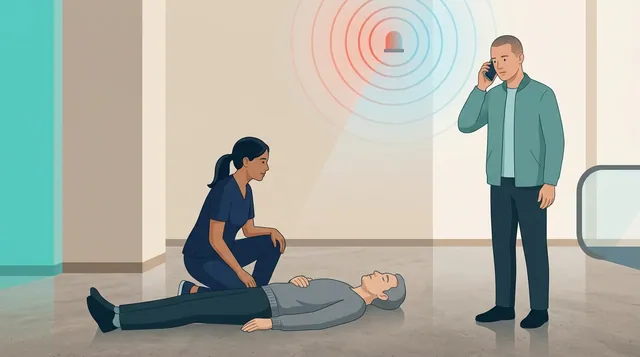
US emergency guidance for a suspected stimulant overdose: call 911, follow dispatcher instructions and understand the limits of naloxone.

US resources for finding stimulant-use treatment, questions to ask a program, and ways to prepare for a first conversation.

Fifteen ideas for an alcohol-free date, from a cafe or walk to a cooking night at home, plus a simple way to suggest a plan.

Prepare observations and questions about substance use, medicines, withdrawal and support. You can ask for help without a perfect log or a completed challenge.

Ask where your records are stored, what is shared and what encryption claims mean. Understand Remedy local storage, backups and Community limits.
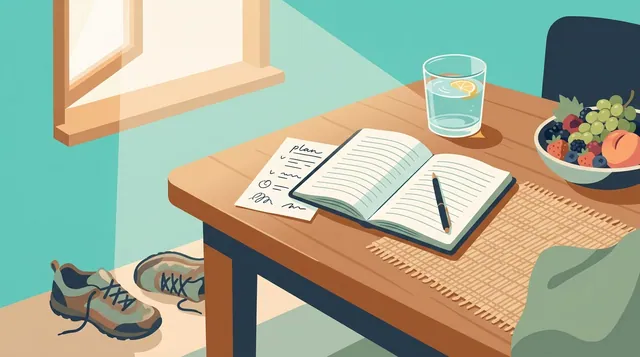
Plan one useful weekend activity and keep a few observations. A change of routine is not a detox, a causal experiment or a substitute for professional support.
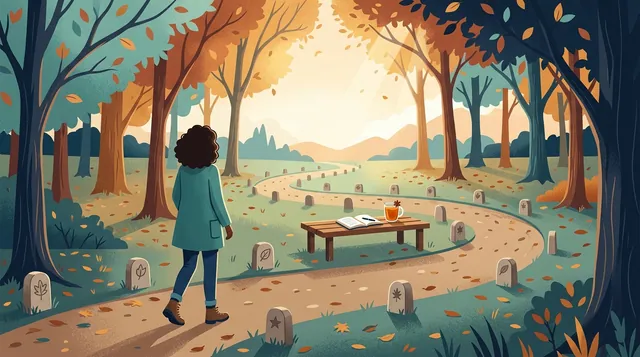
Organize October around preparation, daily notes, routine choices and support. These weekly tasks are a planning framework, not a biological recovery timeline.

Prepare a practical response to an alcohol urge, know when to ask for support and keep withdrawal emergencies separate from optional coping exercises.
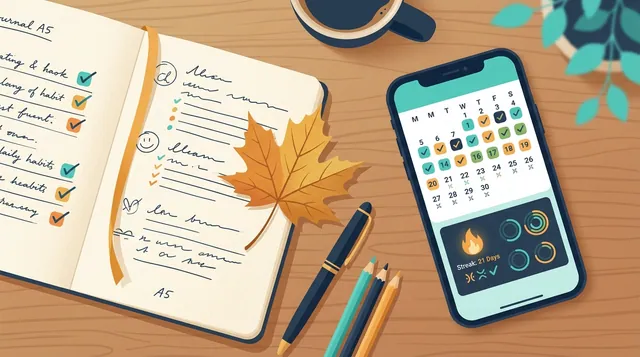
Keep a short record of use, no-use days, urges and context. Treat ratings as personal observations, preserve missing data and use notes to prepare useful questions.

Review your October notes, choose a useful next step and consider support. The end of a challenge does not require a return to alcohol or prove health recovery.

Sober curious is an informal way to explore your relationship with alcohol. Consider goals, social plans and support without diagnosing yourself or promising outcomes.

Alcohol may make you sleepy while disrupting later sleep. Keep useful observations and discuss persistent symptoms without assuming a fixed recovery timeline.

Plan an alcohol-free month with realistic goals, social support and useful notes. Understand withdrawal precautions and avoid fixed health-recovery promises.
Use your own receipts to compare alcohol spending, related costs and replacement activities. See clear weekly and annual arithmetic without promised savings.

Understand practical harm-reduction services, how they connect people with care, and why a lower use count does not translate directly into a fixed risk reduction.

Prepare a short response, plan an alcohol-free option and choose an exit if pressure continues. Practical scripts without a promised success rate.

A practical cannabis journal: record use days, product details, context, and how you feel, while understanding what tracking can and cannot tell you.

Explore illustrative ways to record use, no-use days and context. Understand Remedy dosage levels, backups, Community sharing and the limits of an app.
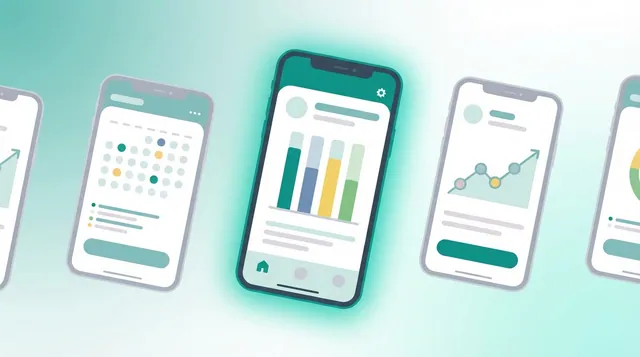
Compare substance tracking apps by logging style, sobriety milestones, community, alcohol coaching, and privacy controls. Find the right fit for your goal.

A break from a habit does not remove dopamine or prove a brain reset. Learn what you can observe and why substance changes may need medical support.

Practical ways to listen, offer help, set personal boundaries and find support for yourself without taking control of another person’s recovery.

What research can and cannot say about mindfulness in substance-use care, with an optional brief attention exercise and clear treatment limits.

What habit-formation research says about the 21-day myth, consistent cues, and practical daily tracking, without promising a recovery timetable.

Record situations, thoughts and urges without assuming a single cause. Use patterns as questions for support, with clear limits on what a diary can establish.
Try practical routines for movement, meals, rest, notes and connection. These ideas can support daily life without replacing substance-use treatment.

Read dated US drinking figures with their limits, separate age groups from generations, and explore alcohol-free choices without stereotypes or invented trends.

Prepare a first conversation, find appropriate support and keep useful notes without treating an app or a checklist as a treatment plan.
Subscribe for Remedy news and resources about daily tracking.