Something remarkable is happening with the youngest generation of adults: they are choosing not to drink. Not because of prohibition, religion, or a specific health scare — but because they simply don't see the point. And the data backs it up in ways that are impossible to dismiss as a passing fad.
The Numbers Tell a Clear Story
According to a 2024 Gallup survey, 62% of adults under 35 say they are actively trying to drink less. Among Gen Z specifically (born 1997–2012), the numbers are even more striking:
- 28% of Gen Z reports not drinking at all — compared to 18% of Millennials at the same age
- Alcohol consumption per capita among 18–25-year-olds has dropped by 20% since 2015
- The non-alcoholic beverage market is projected to reach $30 billion by 2027
- Searches for "sober curious" have grown by 400% over the past five years
This isn't a blip. It's a structural shift in how a generation thinks about alcohol.
Why Gen Z Is Saying "No Thanks"
1. Mental Health Awareness
Gen Z is the most mental-health-literate generation in history. They grew up with access to therapy language, mental health content on social media, and open conversations about anxiety and depression. They understand that alcohol is a depressant — and they've watched older generations struggle with self-medicating through drinking.
"We saw our parents' generation use wine to cope with stress and call it 'self-care.' We learned from that example — by doing the opposite."
2. The Social Media Accountability Factor
Growing up with smartphones means growing up with permanent records. Gen Z is hyper-aware that drunken photos live forever. But it goes deeper: social media has also normalized sobriety. Hashtags like #SoberCurious, #DrySocial, and #ZeroProof have millions of posts. Being sober is now positioned as aspirational, not boring.
3. Wellness Culture Over Party Culture
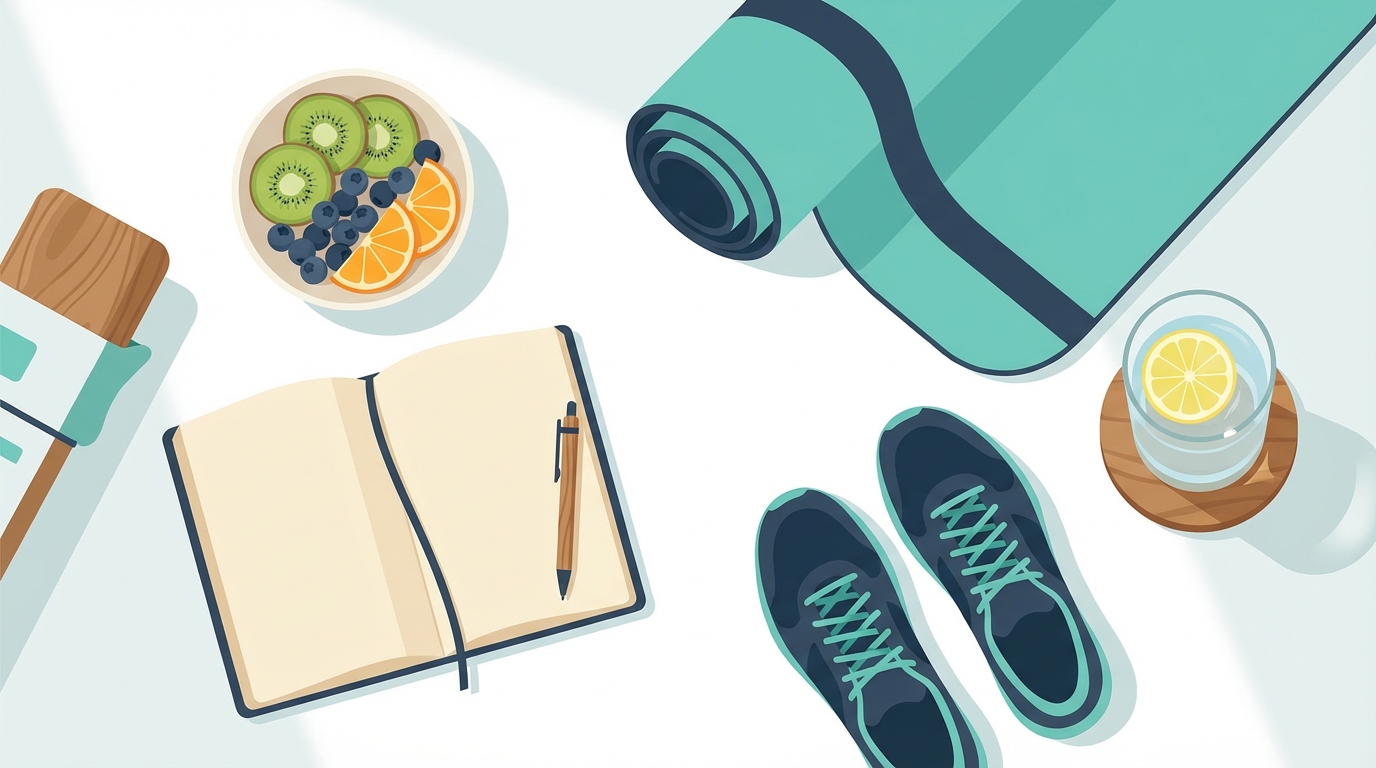
Fitness trackers, meditation apps, cold plunges, and sleep optimization — Gen Z has embraced the wellness economy in ways that make heavy drinking fundamentally incompatible with their lifestyle goals. When you track your sleep, HRV, and recovery metrics, a hangover becomes a measurable setback rather than a vague inconvenience.
4. Financial Pragmatism
With higher housing costs, student debt, and economic uncertainty, Gen Z is more financially conscious. A night out drinking in a major city can easily cost $80–$150. Many young adults are choosing to spend that money on experiences, travel, or savings instead.
5. Better Alternatives Exist
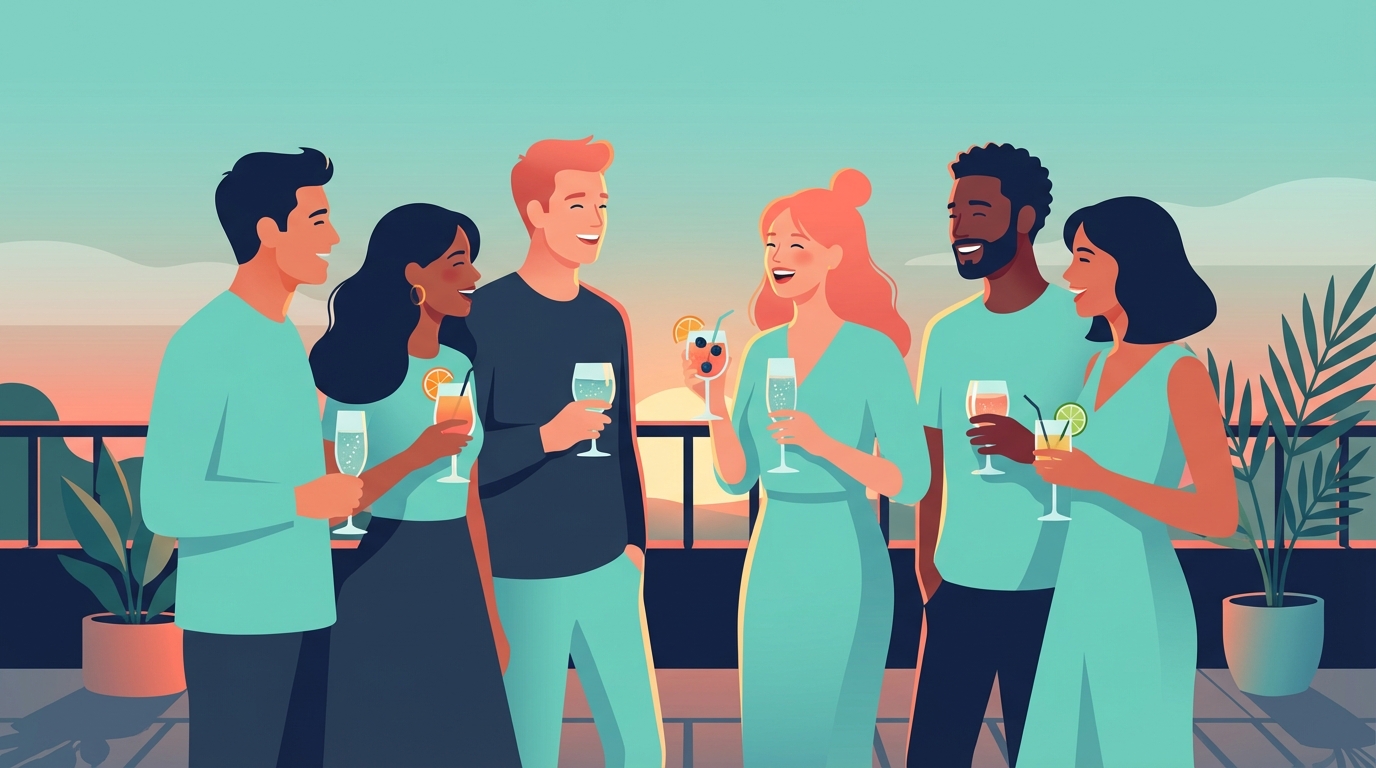
The non-alcoholic market has exploded. Athletic Brewing, HOP WTR, Ghia, and dozens of other brands now offer sophisticated alternatives that taste good and come without the hangover. Ten years ago, your only option was a soda. Now there's an entire aisle.
The "Sober-Curious" Middle Ground
Not every Gen Z-er who drinks less is fully sober. Many identify as "sober-curious" — they still drink occasionally but are intentional about when, why, and how much. This mindset shift is perhaps the most significant cultural change:
From All-or-Nothing to Intentional
Previous generations framed sobriety as binary: you either drank or you were "in recovery." Gen Z has introduced a spectrum — from "California sober" (no hard alcohol) to "Dry January every month" to fully alcohol-free. This nuanced approach reduces stigma and makes change accessible.
This is exactly where tracking tools become valuable. You don't need to commit to never drinking again. You just need awareness of your patterns. Logging what you drink, when, and why gives you data to make better decisions — without judgment or rigid rules.
What This Means for the Recovery Space
The Gen Z sobriety movement is reshaping how society thinks about addiction and recovery:
- Prevention over intervention: By normalizing moderation and tracking, fewer people may develop severe dependencies in the first place
- Reduced stigma: When sobriety is seen as a lifestyle choice rather than a consequence, seeking help for substance issues carries less shame
- Technology-first approaches: This generation expects digital tools for everything — including health tracking and recovery support
- Community matters: Online sober communities are thriving, creating support networks that don't require walking into a physical meeting
How to Join the Movement
Whether you're Gen Z or any other generation, the principles are the same:
- Start tracking — download Remedy and log your substance use for one week without trying to change anything. Just observe.
- Set an intention — decide what "better" looks like for you. Total sobriety? Fewer drinks per week? No drinking alone?
- Find your tribe — follow sober-curious accounts, join subreddits like r/stopdrinking, or connect with friends who share your goals.
- Replace the ritual — if after-work drinks were your wind-down, find healthy replacement habits.
- Be patient — real habit change takes longer than 21 days. Every alcohol-free day is a vote for the person you want to become.
Track Your Relationship with Alcohol
Remedy gives you private, judgment-free tracking to understand your patterns and make intentional choices.

The Bottom Line
Gen Z's shift away from alcohol isn't about deprivation — it's about choosing clarity over chaos, health over hangovers, and intentional living over autopilot. Whether you're 22 or 52, the invitation is the same: question your relationship with substances, track your patterns, and make choices based on data rather than habit.
The sober-curious movement isn't going away. If anything, it's just getting started.