

Every January, millions of people make the same decision: no alcohol this month. Some do it to recover from the holidays. Some want to prove they can. Others are genuinely curious what their life feels like without it. Whatever the reason, Dry January has grown from a niche UK campaign into a global movement — and its autumn counterpart, Sober October, isn't far behind.
But what actually happens to your body and mind during an alcohol-free month? How do you handle the social situations that seem designed to make you fail? And does it make any difference to how you drink afterward? Here's everything you need to know.
What Are Dry January and Sober October?
Dry January was launched by the UK charity Alcohol Change UK in 2013. In its first year, 4,000 people signed up. By 2023, an estimated 9 million people in the UK alone participated — and the movement has spread to dozens of countries. Sober October, similarly organized by Macmillan Cancer Support for fundraising, follows the same principle: 31 days completely alcohol-free.
The appeal is in the structure. A finite, defined challenge is psychologically much easier than an open-ended resolution. "I'm not drinking this month" is a far more manageable commitment than "I'm drinking less from now on."
What Happens to Your Body Week by Week
Week 1: Adjustment
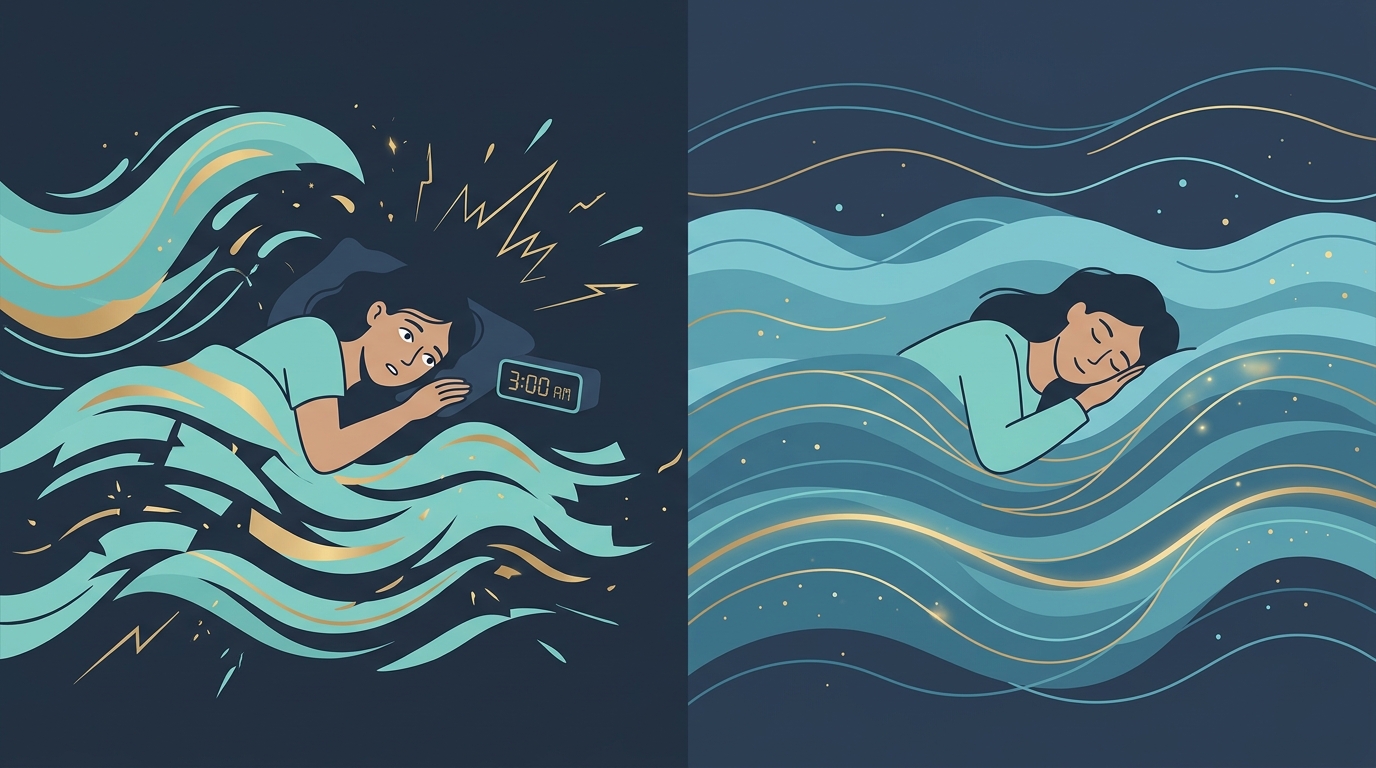
The first week is often the hardest. If you've been drinking regularly, your brain has adapted to the presence of alcohol. Without it, you may experience: disrupted sleep (counterintuitively, alcohol withdrawal causes poor sleep before it improves), irritability, headaches, and strong cravings — especially in the situations and times of day when you usually drink. These symptoms are mild for most social drinkers and pass within a few days. If they're severe, that's a signal worth taking seriously and discussing with a doctor.
Week 2: The Shift
By the second week, most people notice significant improvements in sleep quality. REM sleep normalizes, morning energy improves, and the low-grade anxiety that chronic mild drinking sustains begins to lift. Skin often improves noticeably — alcohol is inflammatory and dehydrating, and its absence shows up in the face quickly.
Week 3: Momentum
Week three brings cognitive sharpness. Many people describe a clarity they hadn't realized was missing. Concentration improves, mood stabilizes, and the social situations that felt impossible to navigate without a drink in hand start to feel manageable. You may also notice your wallet getting heavier.
Week 4: The Reward
By week four, research from University College London found that participants in Dry January showed: liver fat reductions of up to 15–20%, significant drops in blood pressure and cholesterol, and average weight loss of 3–4 pounds — purely from removing alcohol calories. More importantly, they reported feeling more in control of their relationship with alcohol.
The Research Is Clear
A study published in the British Medical Journal found that Dry January participants — even those who didn't complete the full month — were drinking significantly less 6 months later. One month changes habits in ways that outlast the challenge itself.
The Benefits Beyond the Month
Here's what makes these challenges more valuable than just "a break": the long-term data is surprisingly strong.
- 6 months after Dry January, participants drank on 3.3 fewer days per month on average
- They had 1–2 fewer drinks on the occasions they did drink
- 67% reported improved control over their drinking
- Many report that the month fundamentally changes their relationship with alcohol — not by creating rules, but by breaking the automatic nature of the habit
How to Actually Succeed
1. Tell People
Public commitment dramatically increases follow-through. You don't need to make a big announcement — simply telling the people you regularly drink with is enough. It also means they won't pressure you without knowing why, and many will support you or join in.
2. Stock Non-Alcoholic Alternatives You Actually Like
This is underrated. The ritual of having a drink matters as much as the alcohol. Find non-alcoholic beers, sparkling waters, botanical drinks, or mocktail recipes that you genuinely enjoy. When you have something you like in your hand, the craving loses half its power.
3. Identify Your High-Risk Moments
Friday evening after work. The kitchen while cooking dinner. The first round at the pub. These are the moments when drinking happens on autopilot. Name them in advance and decide exactly what you'll do instead. A plan beats willpower every time.
4. Track Your Progress
Logging each day you're alcohol-free creates accountability and momentum. Seeing 18 consecutive days on a streak is a powerful reason not to break it on day 19. Remedy lets you track your sober days alongside your substance log so the full picture is always visible.
5. Don't Let a Slip Become a Failure
If you have a drink partway through the month, the worst thing you can do is treat it as a reason to abandon the challenge. One drink at a work event on day 12 is not a failed Dry January. Get back on track the next day. Progress is not binary.
How to Handle Social Situations
This is where most people expect to struggle — and where many actually don't, once they have a plan. Some approaches that work:
- Have your line ready. "I'm doing Dry January" is now universally understood and respected. You don't need more explanation than that.
- Arrive with a drink already in hand. If you're at a party, grab a sparkling water or non-alcoholic option before anyone can offer you something. The social pressure of "let me get you a drink" evaporates.
- Suggest different venues. Coffee, a walk, a restaurant rather than a bar — much of drinking is driven by context. Change the context.
- Give yourself permission to leave earlier. The pressure to stay and drink with everyone tends to peak later in the evening. It's fine to have a shorter night.
After the Month: What Now?
The research suggests the key to sustaining the benefits is moving from unconscious drinking to intentional drinking. Not "I don't drink" — but "I choose to drink, when it's actually what I want." The month gives you the perspective to tell the difference.
Many people find it helpful to continue tracking after the challenge ends — not to abstain, but to maintain awareness. When you know you're logging it, the drink you have "without thinking" stops being a blind spot.
Track Your Dry January or Sober October
Remedy makes it easy to log alcohol-free days, track your streaks, and see the full picture of your habits — private and judgment-free.


The Bottom Line
An alcohol-free month works — not just as a detox, but as a genuine reset for your relationship with drinking. The health benefits are real and arrive faster than most people expect. The social navigation is easier than you fear. And the lasting changes in how you drink afterward make it one of the highest-return experiments you can run on your own health.
January and October have the cultural momentum. But any month works. The best time to start is whenever you're reading this.