

A few years ago, if you turned down a drink at a party, people assumed something was wrong. You were pregnant, in recovery, on medication, or just boring. Today, a different answer is increasingly common: "I'm sober curious." And more often than not, the response is: "Oh, me too."
The sober curious movement has quietly become one of the most significant cultural shifts in how modern adults relate to alcohol. It's not about AA meetings or rock-bottom stories. It's about something far simpler — and more radical: asking yourself why you drink.
The Definition: What "Sober Curious" Actually Means
The term was popularized by author Ruby Warrington in her 2018 book Sober Curious. The core idea is this: you don't have to have a diagnosable alcohol problem to question whether drinking is serving you. Sober curiosity is the practice of pausing before you drink and asking, honestly, whether you actually want to.
It sits in the space between "normal drinker" and "in recovery." It's the choice to drink less — not because you must, but because you're curious about what life feels like with less alcohol in it.
Sober Curious Is Not:
Sobriety, abstinence, recovery, or a judgment of people who drink. It's a mindset of intentionality — choosing to examine your habits rather than running on autopilot.
Why Is the Sober Curious Movement Growing?
Searches for "sober curious" have grown by over 400% in five years. The hashtag has tens of millions of views across TikTok and Instagram. Here's what's driving it:
The Wellness Boom
As fitness tracking, sleep optimization, and mental health awareness went mainstream, alcohol started to look increasingly out of place in the "healthy lifestyle" narrative. When you can see exactly how two glasses of wine wreck your HRV and REM sleep, the trade-off becomes concrete in a way it never was before.
Mental Health Literacy
More people now understand that alcohol is a depressant — and that it's one of the most commonly used (and misused) tools for managing anxiety. The sober curious movement is partly a generation deciding it doesn't want to self-medicate with a socially accepted drug.
Better Alternatives
A decade ago, not drinking at a bar meant awkwardly nursing a soda. Today there are entire menus of sophisticated non-alcoholic options — zero-proof cocktails, NA beers, botanical spirits. The experience of not drinking has gotten significantly better.
Social Permission
When enough people opt out, it stops being weird. That tipping point has arrived in many social circles. Being sober curious is now a recognizable, respected identity rather than an explanation you owe anyone.
What Does Being Sober Curious Look Like in Practice?
There's no rulebook, which is part of the appeal. But common practices include:
- Doing Dry January, Sober October, or other alcohol-free challenges — using structured time periods to experiment with how you feel without alcohol
- Tracking your drinking — logging what you consume, when, and why, to spot patterns and triggers
- Applying a "pause before you pour" rule — checking in with yourself before drinking rather than drinking on autopilot
- Exploring non-alcoholic alternatives — building a repertoire of drinks you actually enjoy that don't contain alcohol
- Setting personal limits — deciding in advance how much you'll drink at a given event, rather than deciding drink by drink
What Changes When You Go Sober Curious?
People who adopt a sober curious approach commonly report:
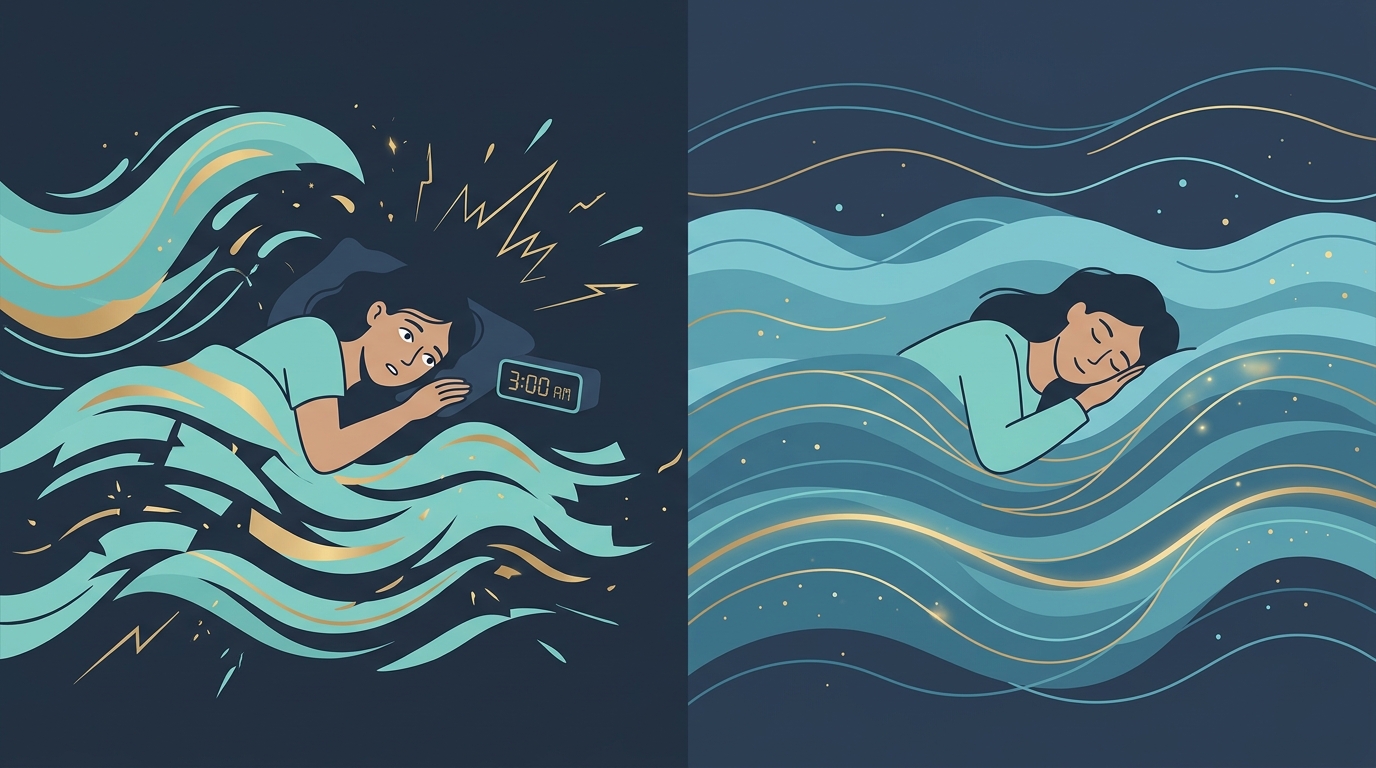
- Better sleep — alcohol disrupts REM cycles even in moderate amounts; the improvement here is often the first thing people notice
- Less anxiety — the "hangxiety" cycle (drinking to relieve anxiety, then experiencing more anxiety as alcohol metabolizes) breaks
- More money — drinking is expensive; the savings can be substantial
- Clearer skin, better energy — alcohol is inflammatory and dehydrating; its absence tends to show up quickly
- More genuine social connections — many people discover they were using alcohol as a social lubricant and find that real connection doesn't require it
"I wasn't an alcoholic by any definition. But when I started tracking my drinks, I realized I was drinking out of habit four or five nights a week without ever really deciding to. That awareness alone changed everything."
How Tracking Supports the Sober Curious Journey
One of the most powerful tools for sober curiosity is data. When you track your drinking — the quantity, the timing, the context, the mood before and after — patterns emerge that are impossible to see in the moment. You might discover you always drink more when you're tired, or that your "two drinks" at home are actually double-poured measures, or that you feel consistently worse on Thursday because of what you did Wednesday night.
This is exactly what Remedy is built for. Not to shame or restrict, but to give you a clear, private picture of your own habits so you can make conscious choices rather than defaulting to autopilot. You decide what you do with the data.
Is Sober Curious Right for Everyone?
The sober curious framework is designed for people who drink socially or habitually but don't have a physical dependency on alcohol. If you experience withdrawal symptoms when you stop drinking — shaking, sweating, anxiety, insomnia — that's a sign of physical dependence and you should speak to a doctor before making changes. The sober curious movement is not a substitute for addiction treatment.
For everyone else: the worst that can happen from being more intentional about alcohol is that you feel better. That's a pretty good downside.
How to Start
- Track for one week without changing anything. Just observe what you drink, when, and why. No judgment, no targets yet.
- Identify your autopilot moments. The glass of wine while cooking. The beer with the game. The round you bought because everyone else was buying rounds. Which of these did you actually want?
- Pick one context to experiment in. Try going alcohol-free on weeknights for two weeks, or skipping the drink at your next networking event. Start small.
- Notice what changes. Sleep, mood, energy, morning clarity. Keep tracking so you have data, not just impressions.
- Decide what you want. Sober curious isn't about giving up alcohol forever. It's about making a conscious choice every time — and building enough self-knowledge to know what that choice should be.
Start Your Sober Curious Journey
Remedy gives you private, judgment-free tracking to understand your patterns and make intentional choices about alcohol.


The Bottom Line
Being sober curious doesn't require a label, a meeting, or a dramatic story. It just requires honesty — with yourself, about why you drink and whether it's actually giving you what you think it is. In a world that has long treated alcohol as the default social lubricant, asking that question is more radical than it sounds.
You don't have to quit. You just have to start paying attention.