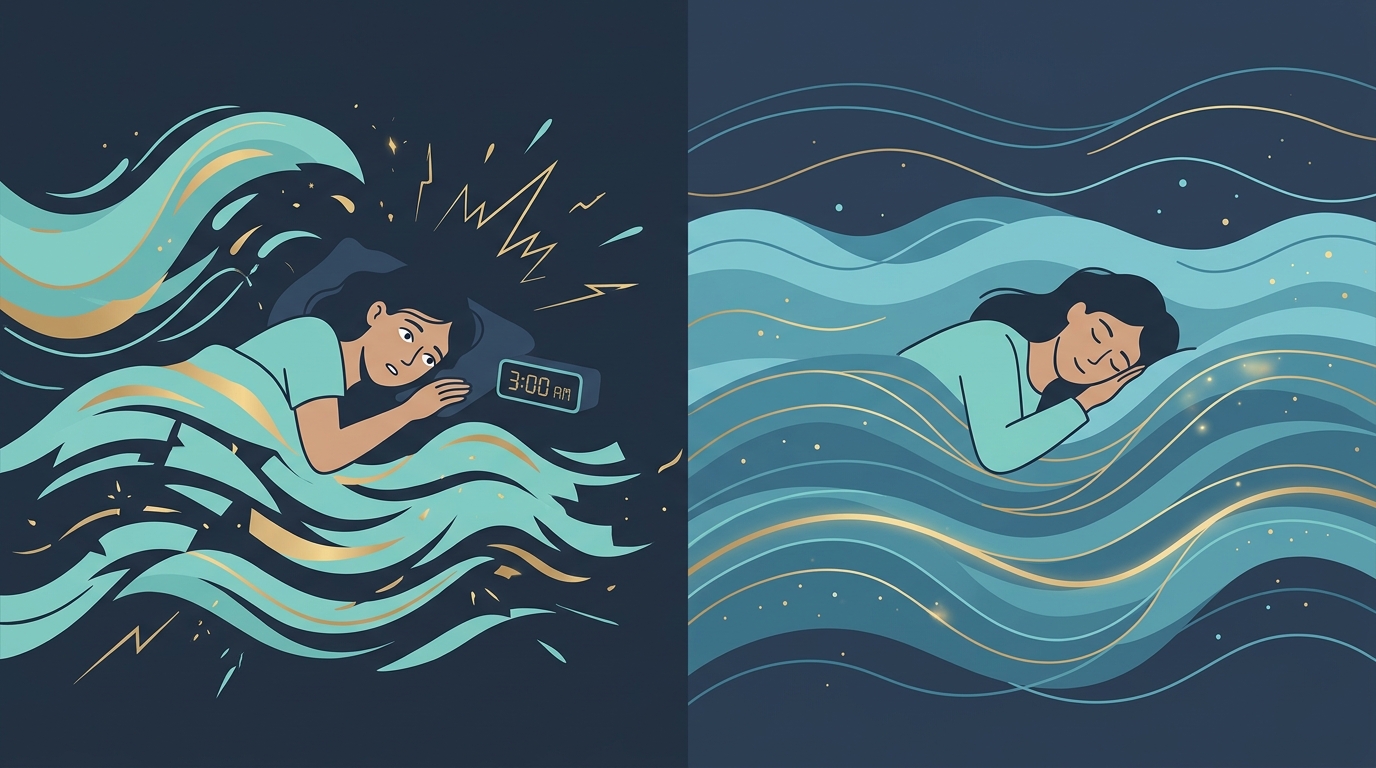


You've decided to drink less. Or you're doing Dry January. Or you're just not feeling it tonight. Whatever the reason, you're at a party, someone's walking toward you with a drink in hand, and you feel a small spike of anxiety about what comes next.
For many people, navigating social situations without alcohol is the hardest part of drinking less. Not the cravings, not the habit itself — but the social friction. The raised eyebrows. The "you sure?" The "come on, just one." The feeling that you owe people an explanation for a personal health choice that affects nobody but you.
Here's the thing: it's much easier than you think. And it gets easier every time.
Why Declining Feels So Hard
The discomfort of saying no to a drink is almost entirely psychological. In most cases, the person offering you a drink doesn't actually care whether you drink. What they care about is whether the social interaction goes smoothly. Your "no thanks" only becomes awkward if you make it awkward — or if you haven't prepared for it.
Most of the pressure people feel is internally generated: a fear of judgment, a discomfort with being different, a trained association between social participation and drinking. Recognizing this doesn't make the feeling disappear, but it does make it easier to act against it.
The Mindset Shift That Changes Everything
Here's the reframe that most people find genuinely helpful: you don't owe anyone an explanation for what you put in your body.
You wouldn't explain why you're not eating the shrimp at a buffet. You wouldn't justify why you're not having dessert. Alcohol is a substance, not a social obligation. You can decline it as simply as you'd decline anything else.
The second shift: confidence is more important than content. A "no thank you" delivered with a relaxed smile and immediate subject change closes the conversation more effectively than any explanation. Hesitation and apology invite follow-up questions. Ease doesn't.
Ready-to-Use Scripts for Every Situation
Having a few phrases ready in advance is underrated. When you're caught off guard, your brain defaults to discomfort. When you've already decided what you'll say, it's just execution.
The Simple Decline (Works 80% of the Time)
"I'm good, thanks — I'll grab a [sparkling water / soda / juice]."
Immediately redirect to what you do want. The substitution creates social continuity — you're still participating in the ritual of having a drink, just a different one. Most people stop here.
When They Push
"Genuinely, I'm fine — let me get you one though."
Flip the attention. Offering to get them a drink instantly removes you from the spotlight and keeps the social energy moving.
The Social Reference (Very Effective)
"I'm driving tonight" / "I'm doing Dry January" / "I've got an early morning tomorrow."
Universally understood, no follow-up questions, completely socially acceptable. "Dry January" in particular has reached a level of cultural recognition that makes it an instant conversation-ender.
The Honest (But Breezy) Version
"I'm taking a break from drinking for a bit — feels good honestly."
This works especially well with friends. It's honest without being heavy, invites support rather than interrogation, and the "feels good" deflects any concerned follow-up.
For Persistent People
"Ha, I'm genuinely fine — tell me about [topic]. How's [the thing you know they're excited about]?"
Ask them a question about themselves. This is the nuclear option for conversation control. Nobody continues interrogating your drink choices when you've asked them about their new job, their weekend plans, or their kid's football team.
Situation-Specific Strategies
Work Events and Networking
Work events are often easier than personal social events — the professional context means people are less likely to push. Arrive with a clear, simple reason ready. "I'm on antibiotics" and "I'm driving" work perfectly here. Alternatively, simply hold a non-alcoholic drink from the moment you arrive — people rarely offer drinks to someone who already has one.
Weddings and Celebrations
Toasts are the trickiest moment. You can raise a glass of water and drink from it — nobody notices. You can also take a tiny symbolic sip and put the glass down. The social ritual is about raising the glass, not what's in it.
Pubs and Bars
Order first. Get to the bar before anyone else and order your non-alcoholic drink. When you're already holding something, the "let me get you a drink" offer doesn't apply. Non-alcoholic beers, in particular, are visually identical to regular beer and eliminate all social friction.
Dinner Parties
Tell the host in advance if you're comfortable doing so: "I'm not drinking at the moment — please don't worry about it, anything soft is great." Most hosts appreciate the heads-up and will make sure there's something you'll enjoy. This also removes the awkward in-the-moment moment entirely.
The "Already Have a Drink" Strategy
The single most effective social hack for not drinking: never be without something in your hand. Arrive early and grab a sparkling water. Refill it whenever it gets low. People offer drinks to people with empty hands. A glass in hand removes the trigger entirely.
What About Peer Pressure from Close Friends?
The social friction from close friends can be harder than from strangers or colleagues, because the relationship gives them permission to push. A few things that help:
- Tell them in advance. "Hey, just so you know, I'm not drinking tonight" removes the public moment of refusal. They've already processed it.
- Be matter-of-fact, not apologetic. "I'm not drinking tonight" lands differently than "I'm sorry, I'm not drinking tonight." The apology invites negotiation.
- Name it directly if needed. "I appreciate the offer but I'm genuinely happy with this — please don't keep asking." Said warmly, this is completely reasonable.
- Recognize whose problem it actually is. If someone is uncomfortable with you not drinking, that's information about them, not about you.
What You'll Actually Discover
Most people who start navigating social events sober discover the same thing: it's far less of a big deal than they anticipated. The conversation is just as good. The connection is just as real. And the morning after is completely different — in the best possible way.
The first few times feel slightly awkward. By the fifth or tenth time, it's just normal. You develop a rhythm, your scripts become natural, and the anxiety dissolves.
Track Your Progress
Remedy lets you log your alcohol-free nights and see your streaks — every social event you navigate is a data point worth tracking.


The Bottom Line
Saying no to a drink is, in practice, much simpler than it feels in anticipation. Have a phrase ready. Hold something in your hand. Redirect the conversation. The vast majority of people will not push, and those who do are easy to handle once you've decided you're not apologizing for a health choice.
The anxiety is front-loaded. The confidence is accumulated. Start tonight.