

Methamphetamine is a synthetic central-nervous-system stimulant with high addiction potential. In the United States, it is part of the wider stimulant and overdose crisis, but the people affected are not a single group and their reasons for using, health risks, and support needs can differ.
This article summarizes information from the National Institute on Drug Abuse and the Centers for Disease Control and Prevention. It is educational information, not a diagnosis or treatment plan.
Safety comes first
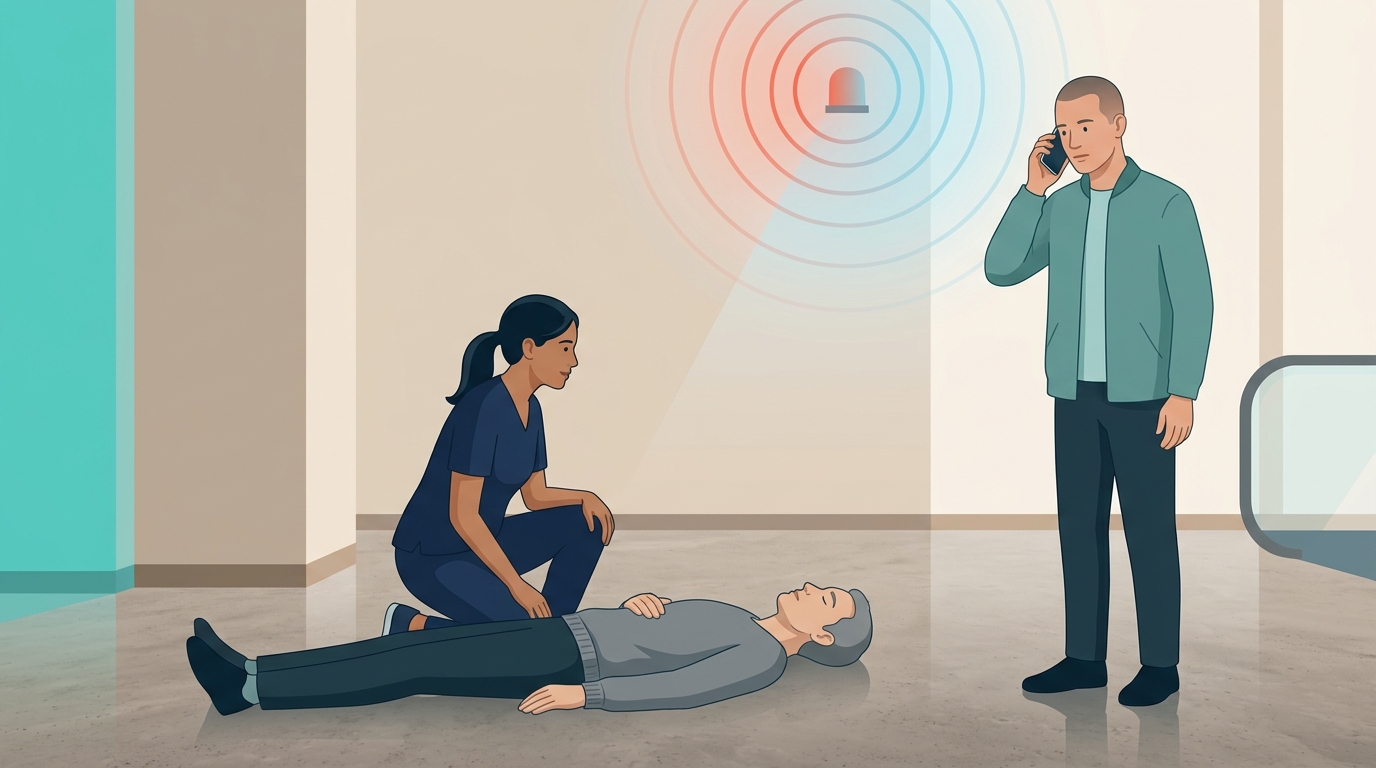
If someone may be overdosing, having a severe medical reaction, or experiencing a mental-health emergency, call 911 in the United States. Do not wait for a blog article or try to manage a dangerous situation alone.
What current U.S. data says
According to the CDC’s stimulant overview, 2.6 million Americans age 12 and older reported methamphetamine use in the past year in 2023. The CDC also reports that nearly 35,000 overdose deaths in 2023 involved the broader category of psychostimulants with abuse potential, which includes methamphetamine and some other stimulants. These categories should not be treated as an exact methamphetamine-only death count.
Numbers describe a public-health pattern, not an individual person’s future. They also change as surveillance improves, drug supplies shift, and access to care varies across communities and states.
How methamphetamine can affect health
NIDA describes short-term effects that can include euphoria, increased alertness, and energy. It also lists serious possible effects such as paranoia, anxiety, rapid or irregular heartbeat, stroke, and death. Longer-term use may be associated with insomnia, memory problems, other health problems, and a substance use disorder.
Stimulants can also affect cardiovascular function and the body’s ability to regulate temperature. Mixing substances can make the situation less predictable. Fentanyl contamination is another overdose concern identified by NIDA, even when a person does not expect fentanyl to be present.
Why a tracking lens can help
Tracking does not replace care, and it should never be used to judge someone’s worth. It can help a person or clinician notice timing, sleep disruption, cravings, route of use, context, and next-day effects. Start with the smallest details that answer a real question: “When are cravings strongest?” or “What changes after a night without use?”
For a practical approach, read what to measure when tracking substance use and how to prepare for a conversation with a doctor.
Support is available
Evidence-based support exists for people who want to reduce use, stop, understand their options, or make a safer plan. The CDC links to treatment resources for stimulant use disorders, and SAMHSA’s National Helpline can provide confidential, free information and referrals in the U.S. at 1-800-662-HELP (4357).
Keep useful patterns in one private place
Remedy helps people log substance use, triggers, dosage, and daily observations privately. It is a tracking tool, not a replacement for medical or recovery support.