

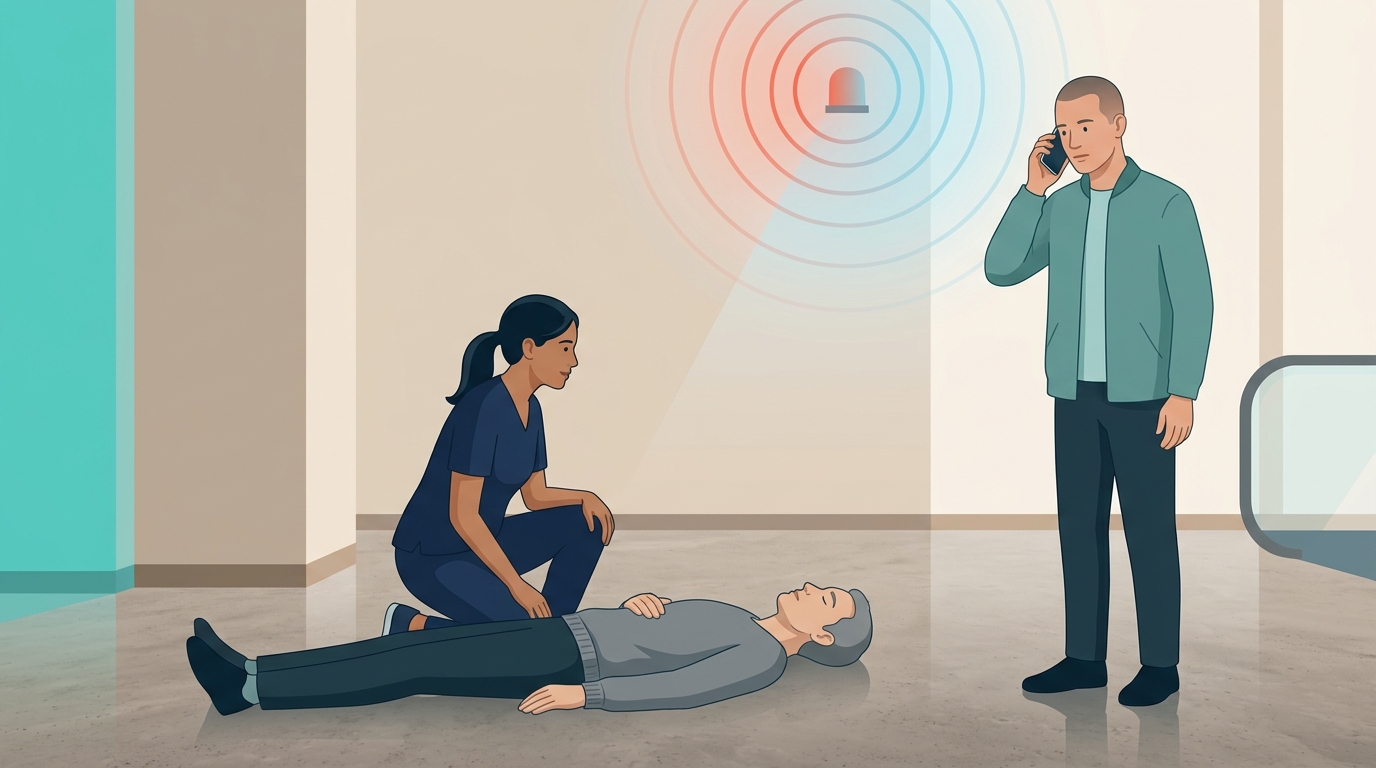
If this may be happening now
Call 911 in the United States immediately. Tell the dispatcher what you know, including what substance may have been used. Stay with the person if it is safe to do so and follow the dispatcher’s instructions.
Methamphetamine and other stimulants can cause serious cardiovascular, neurological, and mental-health emergencies. A person may be overheated, confused, panicked, having trouble breathing, having a seizure, or losing consciousness. You do not need to identify the substance with certainty before calling for help.
Warning signs that need emergency help
- Chest pain, severe shortness of breath, or a very fast or irregular heartbeat.
- Seizure, collapse, loss of consciousness, or inability to wake the person.
- Severe confusion, hallucinations, extreme agitation, or dangerous behavior.
- Very high body temperature, hot or dry skin, or heavy sweating with confusion.
- Signs of stroke, such as sudden weakness, trouble speaking, or facial drooping.
The CDC’s stimulant overdose guidance explains that stimulants can affect the heart, brain, and the body’s ability to regulate temperature.
What to do while help is coming
- Call 911. Put the call on speaker if you need both hands free.
- Move hazards away. Keep the area calm and remove objects that could cause injury, but do not put yourself at risk.
- Stay with the person. Monitor breathing and responsiveness. Tell responders if anything changes.
- Help with cooling if they are overheated. Move them to a cooler place and remove excess layers while waiting for instructions.
- If they are unconscious and not breathing normally, follow the dispatcher’s CPR instructions.
- Be honest with responders. Accurate information about substances, timing, and mixing helps medical care.
What not to do
- Do not leave the person alone to “sleep it off.”
- Do not force food, water, or other substances if they are confused, unconscious, or having trouble swallowing.
- Do not restrain someone unless it is necessary to prevent immediate injury and you can do so safely.
- Do not delay calling because you are worried about judgment or consequences. Medical emergencies need medical help.
After the emergency
A medical emergency can be frightening for everyone involved. Once immediate care is handled, a healthcare professional can help review what happened and discuss follow-up support. If you are looking for treatment or referral information in the U.S., see our guide to support options.
Tracking can help organize questions for follow-up, but it is not an emergency tool. In an active emergency, call 911 first.