

Looking for help with methamphetamine use can feel complicated. You may want to stop, reduce use, understand your options, or help someone you care about. You do not have to know the right label or treatment program before asking for support.
In the United States, a primary-care clinician, behavioral-health professional, treatment program, mutual-aid group, or SAMHSA referral service can be a place to begin.
Do not make an unsafe change alone
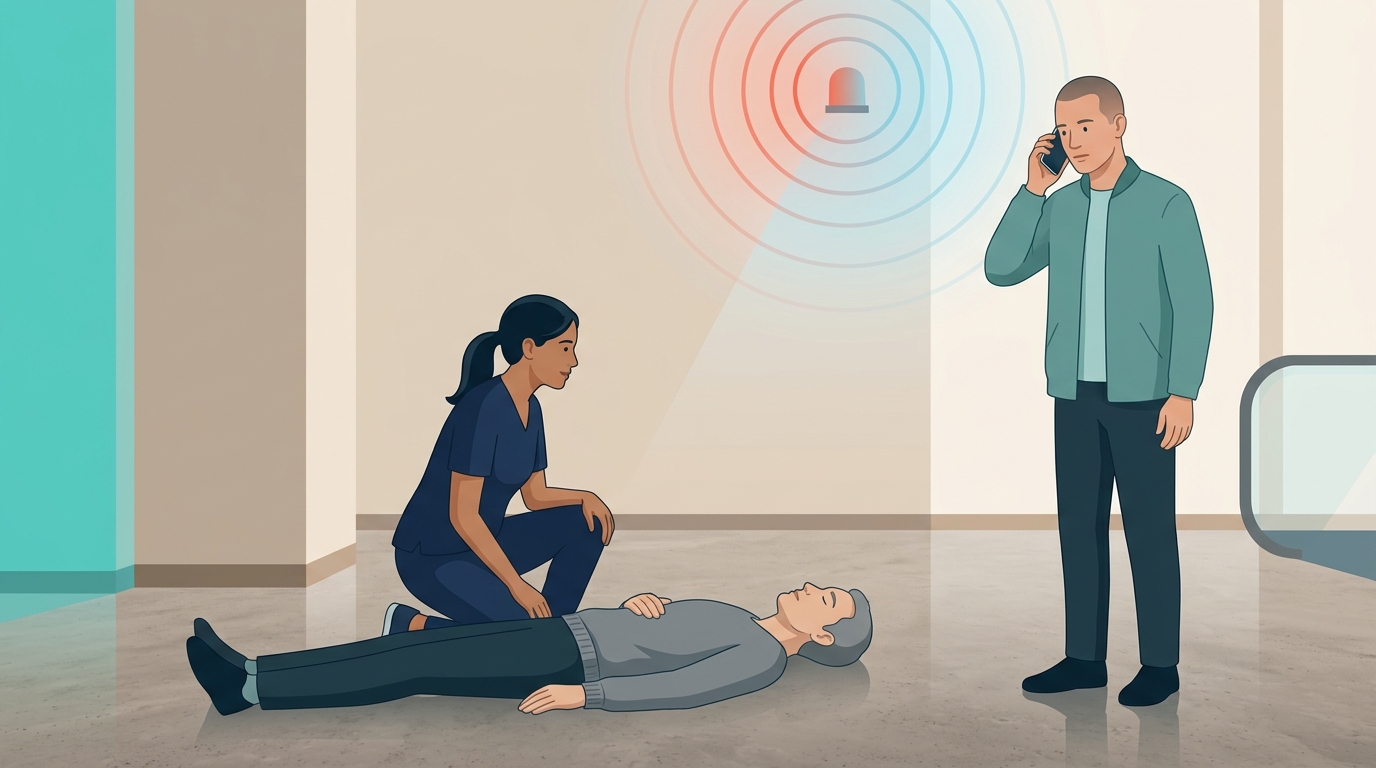
If use is heavy or regular, ask a healthcare professional about the safest way to change. Seek emergency help for chest pain, seizure, severe confusion, loss of consciousness, trouble breathing, or extreme overheating. Call 911 in the U.S.
Start with SAMHSA
SAMHSA’s National Helpline provides free, confidential, 24/7 information and referrals in the United States. Call 1-800-662-HELP (4357) or visit the SAMHSA National Helpline page. You can ask about local treatment options, support groups, and services that accept your insurance or offer sliding-scale payment.
You can also use FindTreatment.gov to search for treatment facilities. Availability and eligibility vary by state and program, so call ahead and ask what the service actually offers.
What kinds of support might be available?
Support can include outpatient counseling, intensive outpatient care, residential treatment, recovery housing, peer support, primary-care follow-up, and services addressing mental health, housing, transportation, or safety. The right level depends on the person’s health, goals, substance use pattern, support network, and immediate risks.
NIDA and CDC point readers toward evidence-based treatment information for stimulant use disorders. There is no need to wait until your situation becomes a crisis before asking what options exist.
Questions to ask a program
- Do you treat methamphetamine or other stimulant use disorders?
- What happens during the first appointment?
- Do you offer harm-reduction, abstinence, or both kinds of goals?
- Can you help with mental-health symptoms, sleep, or other substances?
- What does care cost, and do you accept my insurance?
- What happens if I miss an appointment or return to use?
- Can you help with transportation, housing, or family support?
How to prepare for a first conversation
Write down what you use, how often, when cravings are strongest, what you have tried, and what you want to be different. A short log can help, but estimates are fine. You can also bring a list of medications and health conditions.
Our guide to talking with a doctor about substance use includes questions to take to an appointment. If you are supporting someone else, this guide for friends and family covers boundaries and practical support.
Tracking is optional support, not treatment
Some people find it useful to record use, sleep, cravings, triggers, or appointments between visits. That information may help you notice patterns and explain what is happening. It should never replace a clinician’s assessment, emergency care, medication advice, or a recovery program.
Keep your observations private
Remedy can help you organize substance-use patterns, triggers, and notes for your own reflection or a healthcare conversation. It is not a treatment service or emergency response tool.